
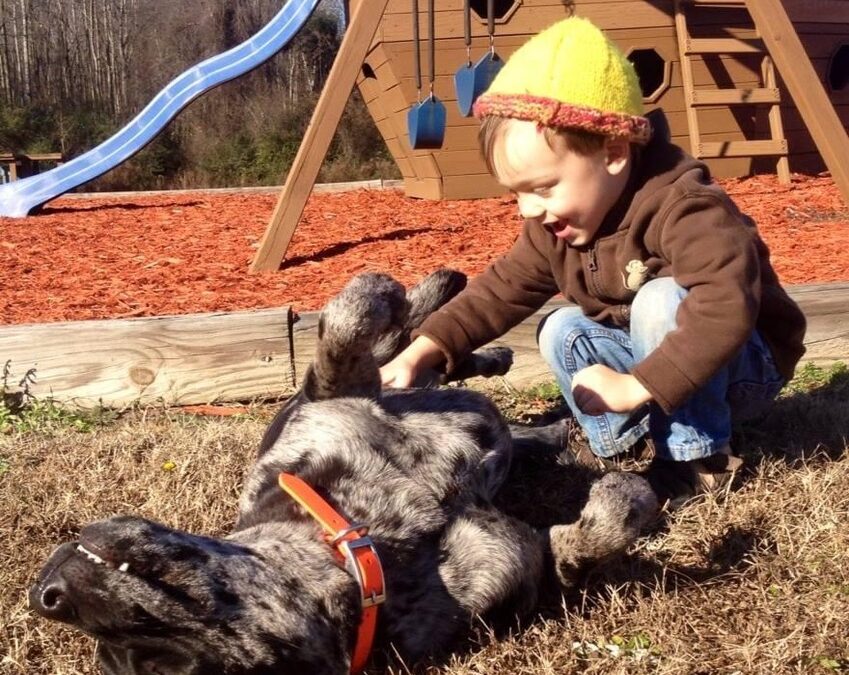
Lately, I find myself noticing the gray.
Not on one dog, but on several.
Three old friends share my home, and when I look at them, I see the same things that every dog owner eventually sees: the whitening muzzle, the longer naps, the slower rise from a favorite bed. There is a peaceful acceptance that seems to come with old age, for dogs and people alike.
I know what those gray hairs mean.
I know what is coming.
Anyone who has loved an old dog understands that peculiar mixture of gratitude and sadness. Gratitude for the years you've been given and sadness because you know there are fewer years ahead than behind.
Yet when I look at those gray muzzles, I do not see loss.
I see a life well lived.
When we bring home a puppy, we often focus on the beginning. We celebrate the first day, the first training session, the first successful retrieve, and the first night they sleep through until morning. We watch them grow from awkward puppies into confident young dogs and eventually dependable adults.
What we rarely think about is that every stage is a gift.
The chaos of puppyhood.
The beauty of adolescence and learning.
The dependability of middle age.
And eventually, the quiet wisdom of old age.
An older dog possesses things that a young dog simply cannot: wisdom, confidence, and understanding. There is a depth to the relationship that only years can create. Much like an old marriage, the partnership settles into something comfortable and familiar. You know where they will be. They know where you will be. There is very little left to prove and very little left to learn about one another.
What remains is trust.
The kind of trust that can only be earned through years spent side by side.
Fred taught me that.
For many years, Fred and I shared a simple morning ritual. Coffee in hand, we would take a slow ride around the block. At the time, it never felt significant. It was simply part of life.
Then one day it wasn't.
What surprised me most after losing him was not the absence of a specific memory or accomplishment. It was the absence of the routine. For years, a small piece of my day had been shaped around his presence. When he was gone, the routine disappeared with him.
I still drink the coffee.
I just don't take the ride.
That is the strange thing about losing an old dog. We do not just lose the dog. We lose the familiar rhythm of life that grew around them. The quiet expectations. The shared habits. The constant presence that became an anchor in our days.
Knowing that makes it difficult to look at the older dogs sleeping nearby.
I know there will be empty places again.
Yet I would not trade a single gray hair to avoid it.
This is the natural conclusion of a journey well traveled. The path that every good dog follows if we are fortunate enough to walk it with them—from puppy to adolescent, to middle age, to the old guard.
This is the journey.
The gray muzzle is not simply a sign of what is ending. It is proof of everything that came before it.
Not as a reason for sadness, but as a reminder to appreciate what is here today.
So if you are raising a puppy, do not spend your time worrying about the day you will lose them.
Just live.
Enjoy the ups and downs of puppyhood. Revel in the beauty of adolescent learning. Appreciate the dependability of middle age, and be at peace with their old age when it arrives.
We only have them for a short time.
But during that time, we are their whole world.
And perhaps that is why the loss hurts so much.
A love worth having and a life worth sharing should hurt when it's gone.